
01
Renewable Energy
Off-grid solar and mini-grids, productive uses of energy, clean cooking, bioenergy and waste-to-energy, energy efficiency and demand-side management, and green financing.
Our work
Holistic, country-driven support that helps climate technologies move from idea to enterprise — without treating support as a single sequence of stages.


01 Approach
KCIC provides holistic, country-driven support to accelerate the development, deployment, and transfer of climate technologies. Its approach combines five mutually reinforcing forms of support.
These are integrated services, not five mandatory stages.
02 Sectors
KCIC supports locally relevant solutions across six sectors — from energy and mobility to water, food systems, and nature.
01
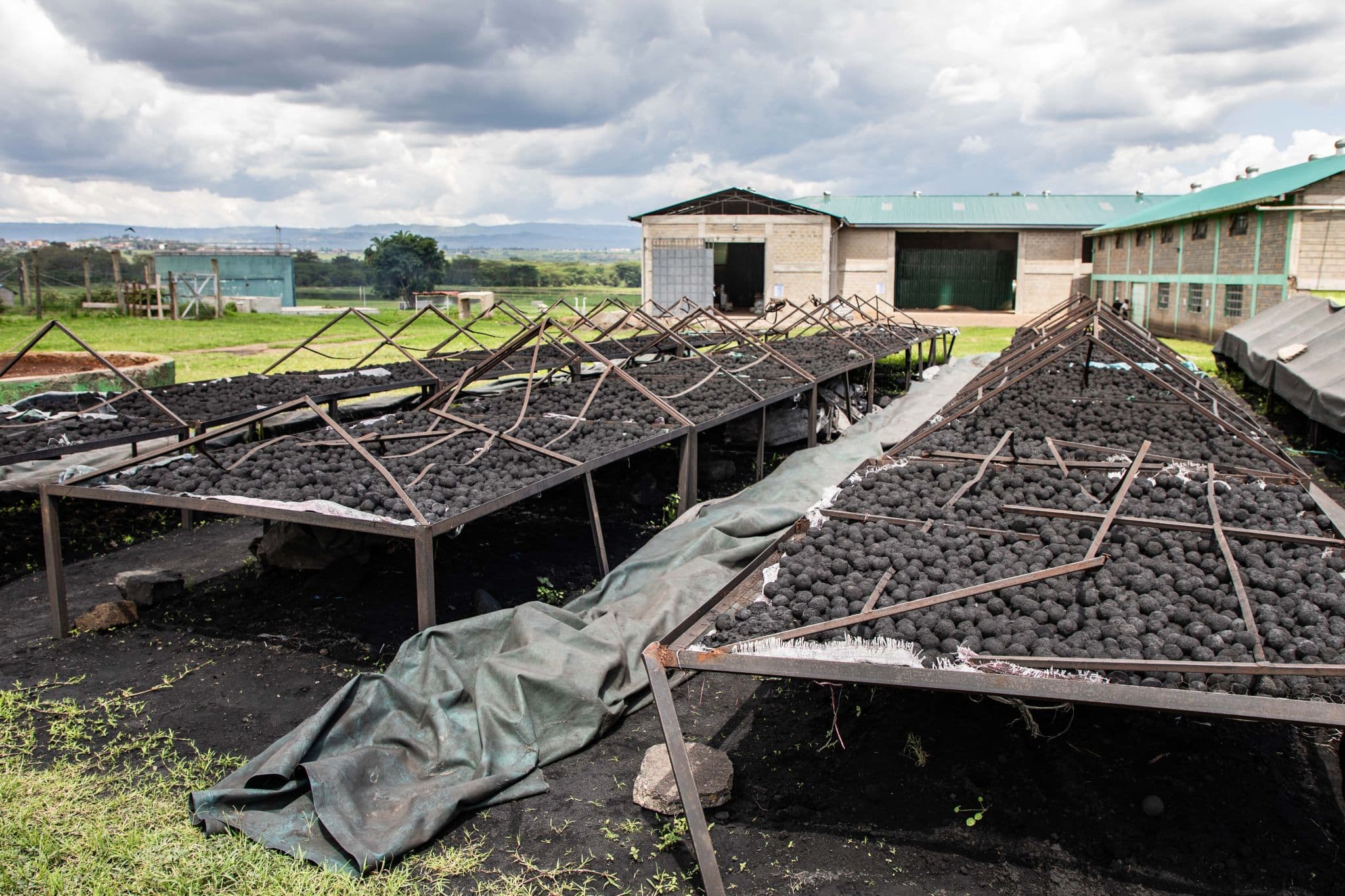
Off-grid solar and mini-grids, productive uses of energy, clean cooking, bioenergy and waste-to-energy, energy efficiency and demand-side management, and green financing.
02
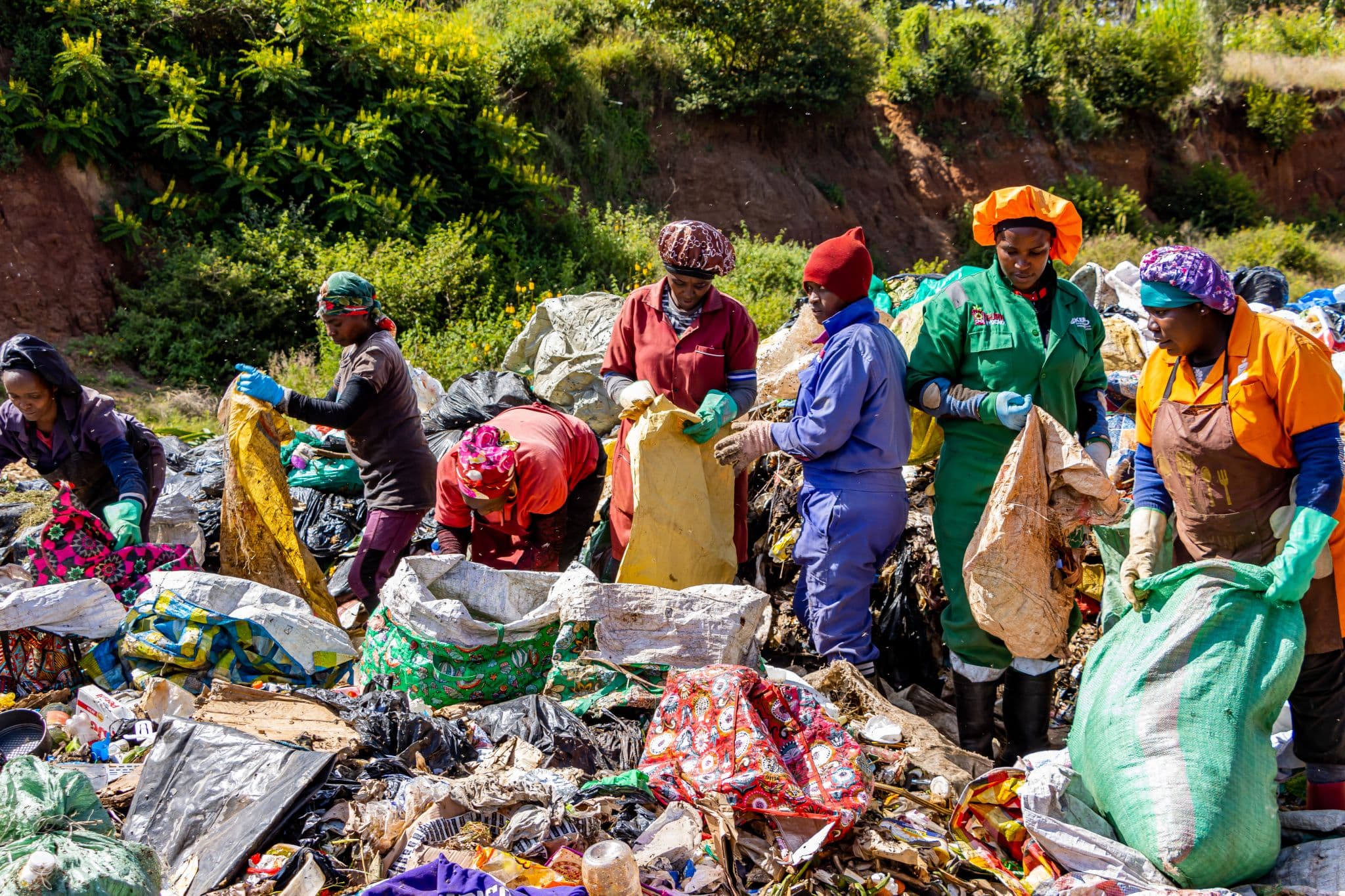
Solid-waste management and recycling, green manufacturing and product-life extension, upcycling and eco-design, plastic alternatives and biodegradable materials, industrial symbiosis, and resource recovery.
03
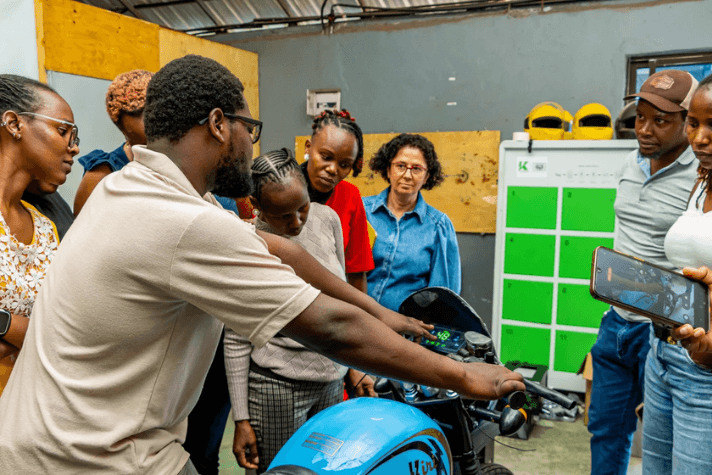
Electric mobility, sustainable public transport, mobility-as-a-service and digital platforms, non-motorized transport, logistics and freight optimization, and battery charging or swapping.
04
Ecosystem restoration and afforestation, forestry and agroforestry, blue-economy and ecosystem-restoration initiatives, biodiversity and ecotourism, carbon-credit solutions, and community natural-resource management.
05
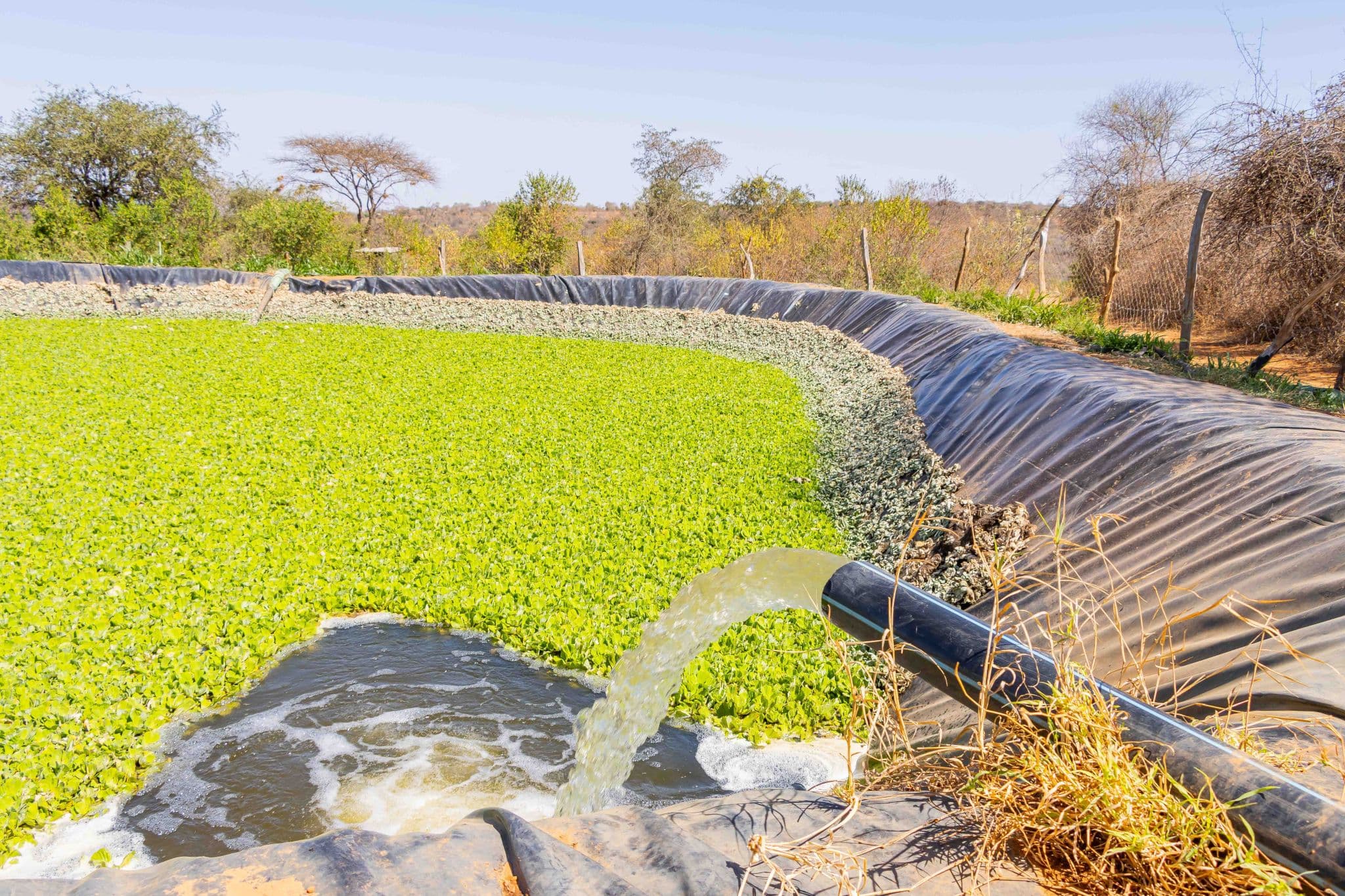
Water harvesting and storage, wastewater reuse, water, sanitation and hygiene solutions, smart irrigation, water monitoring and purification, and integrated water management.
06
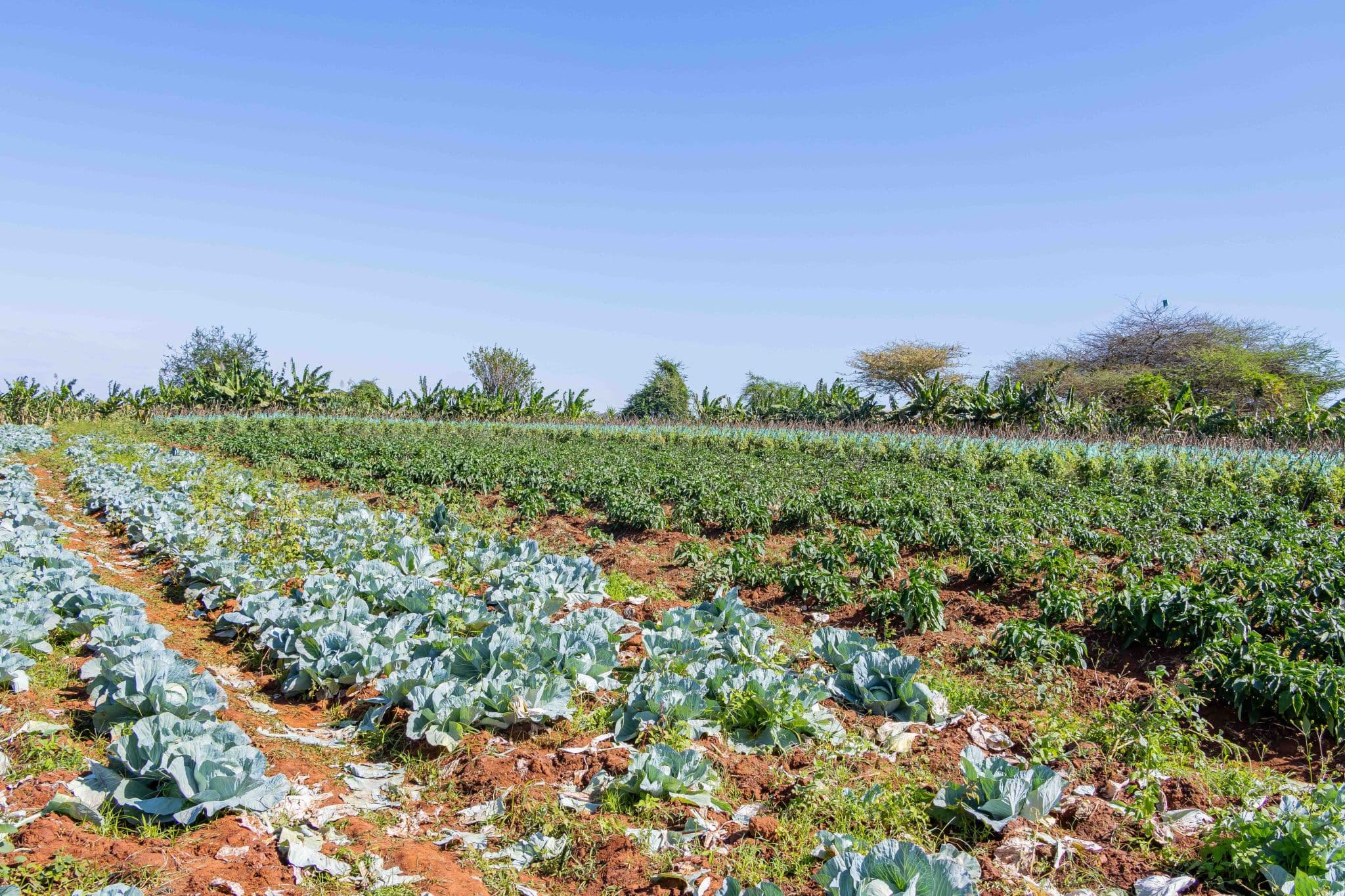
Climate-smart agriculture, agribusiness and value addition, irrigation and water efficiency, post-harvest and storage solutions, agri-tech including precision tools and drones, and market-access and financing solutions.
03 Cross-cutting
These themes appear across programmes and services. They are not a separate catalogue of projects — they shape who is supported, how finance is reached, and how the wider system is strengthened.
01
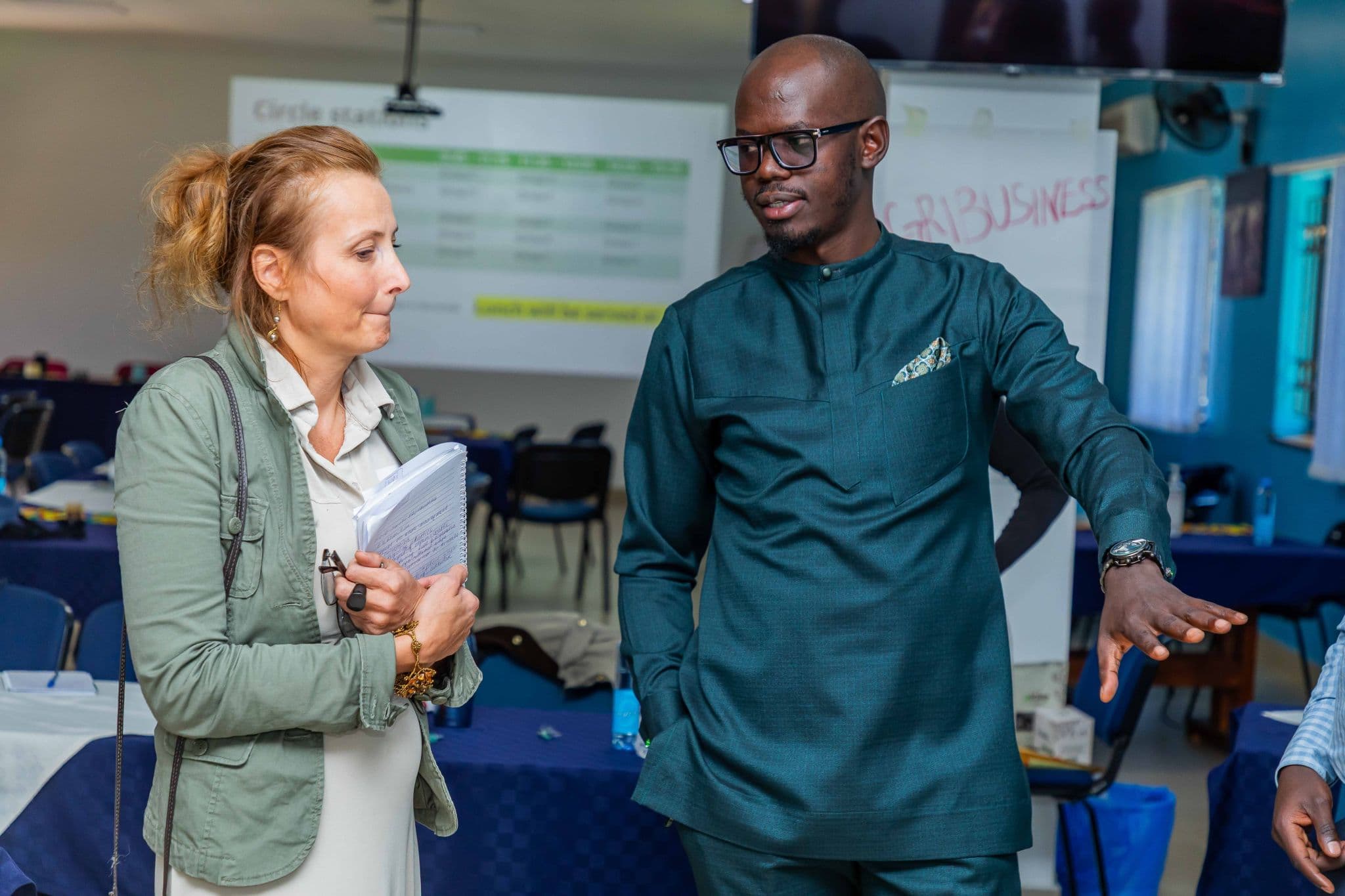
Programmes such as AgriBiz are designed to create sustainable job opportunities for youth and women in agricultural value chains, including through incubation, advisory support, and access to finance.
02
Innovative financing sits inside the KCIC approach: proof-of-concept and early-stage risk capital, results-based financing, climate venture facilities, syndication, and working-capital facilitation.
03
Policy support, advice, and co-creation, plus regional outreach, partnerships, and the Climate Innovation Center network, help enterprises operate in a system that can actually absorb climate solutions.
04
KCIC was founded in Kenya in 2012 and states a presence in Kenya, Uganda, and Tanzania — combining enterprise support with partnerships and ecosystem development across East Africa.
04 Partners
KCIC combines a proven track record, strong regional networks, an integrated ecosystem model, and a scalable approach to climate-enterprise development. It works with funders, governments, standards bodies, academic institutions, private-sector organizations, and climate networks to address barriers that no single organization can solve alone.